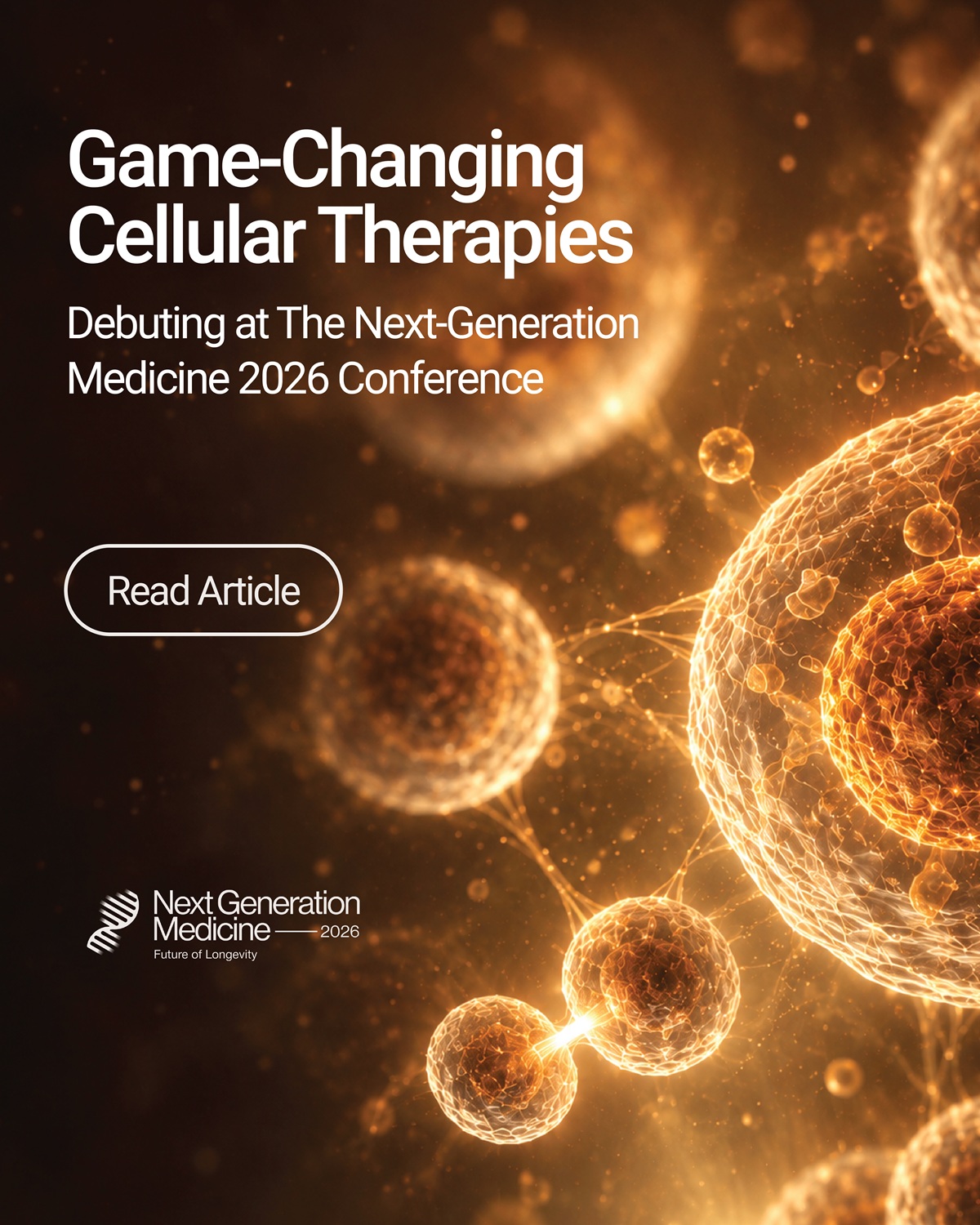
Game-Changing Cellular Therapies Debuting at The Regenerative Medicine Conference
The regenerative medicine conference Dubai is becoming a very important gathering place for scientists, practitioners, biologists, and other health industry professionals who are interested in cell-based therapies and their potential benefits. As Dubai's health sector will soon be the center of the region, local meetings are helping the medical professionals to find out how therapies such as stem cell transplantation, immunotherapy, and tissue regeneration, as well as exosome studies, can bring a change in the way severe and complex diseases are being treated.
Surely, such enthusiasm is not surprising. Still, one thing is that regenerative medicine does not consist merely of making new discoveries in labs. The greatest progress will come through developments that will be implemented, very cautiously, first in a series of well-designed clinical trials and finally in appropriate regulations guiding patient care. ISSCR highlights evidence of safety regulation and thorough clinical testing as key factors for new cellular therapies to be considered legitimate medical treatments.
Why Cellular Therapies Are Taking Center Stage
In traditional medicine, the main focus is on alleviating the symptoms that a patient is experiencing, replacing organs and tissues that the patient has lost or damaged, or slowing down the progress of a disease. Then again, regenerative medicine is looking for different strategies, whether it will be cells, tissues, biological signals, or engineered structures that help recover lost biological abilities.
Arguably just from the very wide scope of the field, regenerative medicine means restoring, replacing, or recreating cells, tissues, and/or organs, based on the U.S. FDA, which also points out that cell treatments, products of tissue engineering, some gene therapies, and cell and tissue products are the components of regenerative medicine. Here is the reason the regenerative medicine conference Dubai agenda is not confined to stem-cell discussions anymore.
Instead, it is going to discuss therapeutic interventions that can modify immune responses at the molecular level, support tissue repair, replace damaged cells, and deliver more precisely the biological effects that are aimed at.
Mesenchymal Stem Cells and Regenerative Signaling
Mesenchymal stromal cells, or MSCs, are one of the hot spots in regenerative medicine research these days. They are no longer just seen as replacement cells but as key players that communicate with nearby tissues and regulate biological signals.
Stem cell treatments with MSCs could revolutionize orthopedics, the treatment of inflammatory diseases, tissue repair, and so on. But the effectiveness and clinical application of these MSC-based treatments may be different for different people. The factors that determine results include cell origin, method of manufacturing, quantity of mode of administration, type of patient population, and the disease or condition being treated.
So, the discussions that take place at a regenerative medicine conference Dubai will be really useful to healthcare professionals; besides looking out for what is promising, they'll know what the evidence is that supports each intervention.
Exosome-Based Therapeutic Research
Exosomes and other kinds of extracellular vesicles have been identified as a promising new research area that could hold great medical significance. The researchers are finding that these biological molecules might even really help in understanding how cellular communications affect healing and disease progression because, in truth, they help in transferring molecular messages from one cell to another.
Apart from regenerative medicine, the other fields, like aesthetics and tissue repair, also showed their great interest in these potential exosomes of a cellular system. Yet, excitement must always be supported by solid proof or evidence. FDA mentions that until now not a single exosome product has been approved by the FDA and also cautions people about unapproved regenerative medicine products being sold as therapies for health problems.
It is important to point out that a technology might scientifically sound great, but it could still merely be in the process of investigation. It is a clinician's role to be educated about the current status of science through conferences so that they don't mistake an experimental therapy for another established treatment that's ready to use.
Immune Cell Therapies and The Next Wave
Modern cellular medicine is going further than traditional ways of regenerative therapies and is now focusing on a more advanced level of immune-cell medicines. There are several types of studies going on and some applications of both engineered and natural immune cells to treat various conditions, including cancer. It showcases the potential of a single cell type as a highly specific therapy.
There is yet a different and much more profound lesson that can be learned from this, cellular therapies have now moved from purely theoretical to actually being in a very small but regulated clinical setting. Meanwhile, quite a lot is still going on under development. The big question that remains before us for cellular medicine is how best to make such treatments really reliable and safer with an affordable and wide-ranging scale of use.
Tissue Engineering Meets Cellular Medicine
In yet another significant area, scientists have found that it might be a good idea to combine cell therapies with tissue engineering. Rather than just giving cells by injection, they could study biomaterials, scaffolds, and even artificially created tissues that would support cellular repair processes.
With such a line of reasoning, the way doctors look after tissues will probably change eventually. In place of treating damage purely structurally, future treatments can integrate biological cells with fabricated systems to control regeneration.
The FDA has a very good understanding of products made of therapeutic tissue engineering being a part of the regeneration-medicine ecosystem, which is a sign of how quickly the industry moves away from conventional stem-cell treatment concepts.
Get Started at Next Generation Medicine
Regenerative medicine is developing very rapidly, so learning about it can help quite a bit in understanding recent advancements. At Next Generation Medicine, we are convinced that healthcare's future should be driven by innovation, facts, transparency, and being patient-focused. We monitor the latest developments closely since our goal is to help people better see what really stands out and where more work has to be done. If you're interested in the changing possibilities of regenerative medicine from a reliable viewpoint, please reach out to us today, and you will not only get the knowledge that you need, but you will also make it much easier for you to find healthcare that meets your standards.